

December 2025 Newsletter.
Welcome to our newsletter, with all our updates and some helpful resources for you. In this edition we talk about Lower Crossed Syndrome .
Remember, we are here to help you and you can contact us anytime.
Welcome to our
december newsletter

Hello Ocean
therapy friends!!
Welcome to the last newsletter of the year…. Yes, it’s really December!!! Like you - we are saying “where has the year gone?”
We are very much in the depths of winter; however, the weather has been very erratic recently but as I write it, we are experiencing high winds horizontal rain and the temperature is that bit colder…… At home we are enjoying the wood burner and the cosy nights in although I am still getting the longer walks in at the weekends and making the most of the daylight where I can. Yesterday was a beautiful day blue skies and lots of sunshine but the biting wind reminded us that December is truly round the corner…. this didn’t stop us taking the opportunity for a winter sauna experience down on Portland with the ‘Island Sauna’ run by the lovely Emma Carter and a cheeky dip or two in the very cold sea, it was truly exhilarating and great for my hips…. and now I can see why many of our patients use the Sauna regularly and admit to being quite addicted!
Well friends as you read this letter it will have been my 1st year anniversary for my full hip replacement (yes again, where has the time gone?).
Many of you who we see regularly may know that I have turned this slight misfortune into my next venture! Throughout this last year I have been busy compiling a comprehensive virtual hip program providing physical and emotional support to all those who are undergoing a new hip replacement. I have just launched my pilot model and are still looking for willing individuals to join the paid program. If you know someone who may fit this criterion then please forward them this newsletter or look on Ocean therapy’s Facebook page for more information. The course is available to all, no matter where they live, this is the beauty of the course and is designed to help as many individuals as possible return to functional pain free living with their new hip/ hips!
MORE NEWS…
Boris and I recently attended this year’s Therapy Expo at the NEC in Birmingham, we had a great time visiting all the stands and exploring what’s new in the industry and what’s on offer, we played with lots of new innovative inventions and attended some great inspiring presentations and demonstrations.
We discovered on our trip a couple of new devices that we will be introducing to the clinic to assist with our new functional MSK assessments. These will feature the some of the latest technology using some advanced tools of the trade all the way from Australia.
These tools will help us identify your weakest muscles, which may predispose you to injury and will provide data that we can share with you. This will allow us to create visual markers and compare throughout your treatments with us…… Exciting!!!!
More about that in the next January issue……

STOP PRESS
STOP PRESS
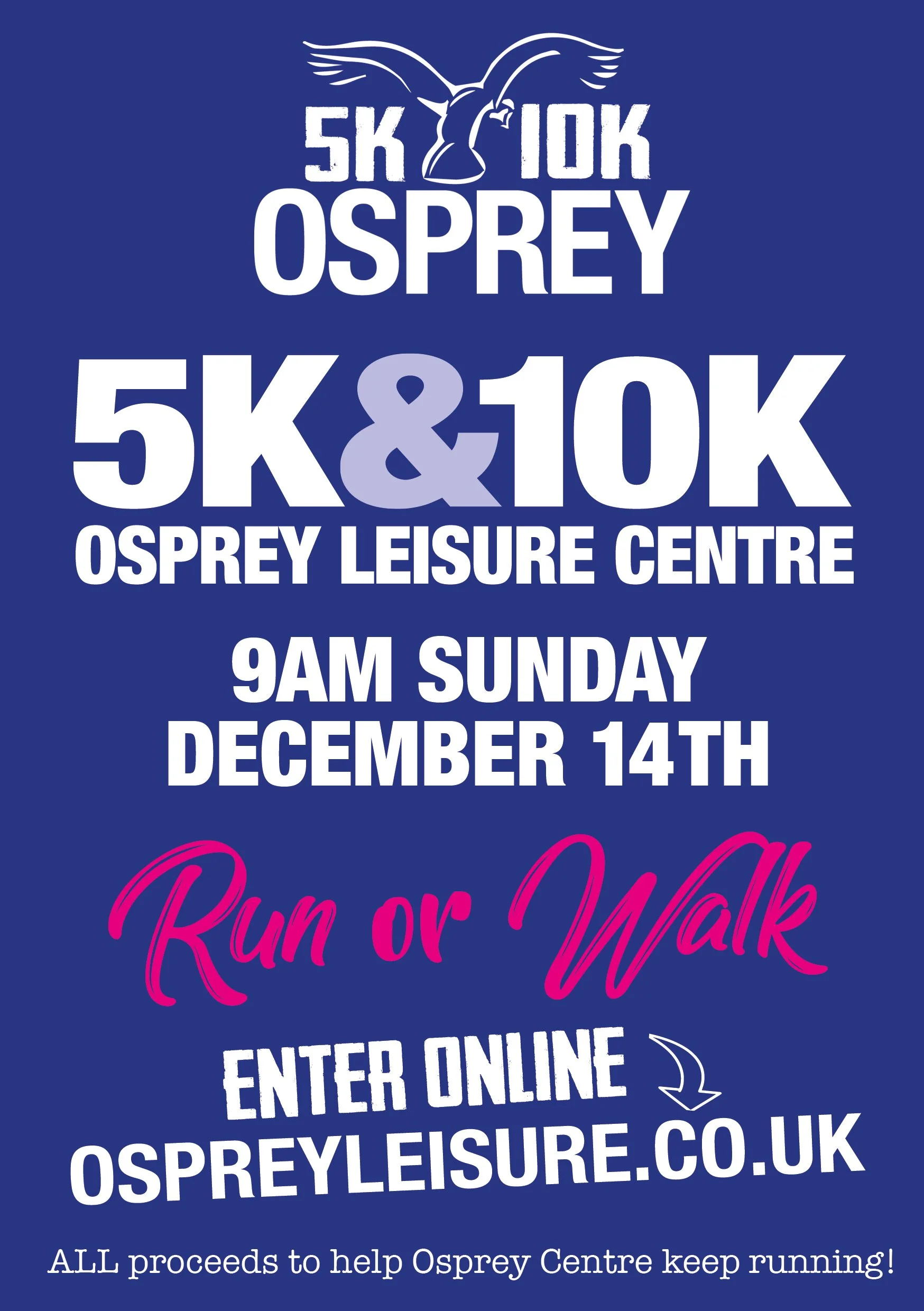
We have also signed up for the osprey 5km or 10km run / walk to be held at the Osprey centre on Portland on Sunday 14th December (I will be walking) there is still a chance to enter go on, go support our local wonderful sports centre and swimming pool.
Don’t forget! we are selling our Christmas gift vouchers in the reception throughout December, so if you are stuck for a Christmas pressie this festive season, be it a friend or loved one then call in to reception on: 01305 831726 for more information.

This month we are going to highlight a syndrome often seen here in the clinic and one that we have been discussing through our video highlights on social media… Enjoy the read!!
Understanding Lower Crossed Syndrome
The Hidden Cost of Modern Living and How Sports Therapy Can Help
Did you know? If you spend more than 6 hours a day sitting, you might already be developing Lower Crossed Syndrome – a postural imbalance that affects millions of people worldwide and is one of the leading causes of chronic lower back pain.
In our increasingly sedentary world, where careers, communication, and even recreation revolve around screens and seated positions, our bodies are paying an invisible price. Lower Crossed Syndrome (LCS) has become one of the most prevalent musculoskeletal conditions we see in sports therapy practice, yet many people suffering from it don't even know it has a name.
What is Lower Crossed Syndrome?
Lower Crossed Syndrome, first identified by renowned Czech sports therapist Dr. Vladimir Janda in the 1970s, is a predictable pattern of muscle imbalances in the lower body that creates a characteristic "crossed" pattern when viewed from the side. It's characterised by specific muscles becoming tight and overactive while their opposing muscles become weak and underactive.
The "crossed" pattern refers to how tight muscles on one side of the body cross with weak muscles on the opposite side, creating an X-shape of dysfunction. Imagine drawing two diagonal lines across your lower torso – one connecting tight hip flexors at the front with tight lower back muscles at the back, and another connecting weak abdominal muscles at the front with weak gluteal muscles at the back. This is the "cross" that gives the syndrome its name.
Key Characteristic: The "S" Shaped Posture
When viewed from the side, someone with LCS typically displays an exaggerated anterior pelvic tilt (pelvis tilted forward), creating an excessive arch in the lower back (lumbar hyperlordosis). This often coincides with an increased curve in the upper back and forward head posture, creating a distinctive S-shaped spinal curve.
The Muscle Imbalance Pattern
Understanding which muscles are affected is crucial to both recognising and treating Lower Crossed Syndrome. The syndrome creates a specific pattern:
TIGHT & OVERACTIVE Muscles
• Hip Flexors (Iliopsoas, Rectus Femoris, Tensor Fasciae Latae)
• Lower Back Extensors (Erector Spinae, Quadratus Lumborum)
• Adductors (Inner thigh muscles)
• Latissimus Dorsi
• Hamstrings (often compensatory tightness)
✓ WEAK & UNDERACTIVE Muscles
• Deep Abdominals (Transversus Abdominis, Internal Obliques)
• Gluteal Muscles (Gluteus Maximus, Gluteus Medius)
• Rectus Abdominis
• External Obliques
This imbalance creates a domino effect throughout the body. The tight hip flexors and weak glutes cause the pelvis to tilt forward, which forces the lower back muscles to work overtime to keep you upright, causing them to become tight and fatigued. Meanwhile, the weak core muscles cannot adequately support the spine, perpetuating the cycle.
Why Does Lower Crossed Syndrome Develop?
While there are multiple contributing factors, the primary culprit in modern society is prolonged sitting. Consider the average person's day:
• Sitting during the commute to work
• Sitting at a desk for 8+ hours
• Sitting during lunch breaks
• Sitting during the commute home
• Sitting while relaxing in the evening
When we sit for extended periods, our hip flexors are in a shortened position for hours on end. The body adapts to this position, and these muscles become tight and shortened. Simultaneously, our gluteal muscles and abdominals aren't being used, becoming weak and "forget" how to activate properly.
Additional Risk Factors Include:
• Poor posture habits – slouching, leaning to one side
• Repetitive movement patterns – certain sports or occupations
• Previous injuries – leading to compensatory patterns
• Pregnancy – hormonal changes and weight distribution
• Imbalanced training – focusing on certain muscle groups while neglecting others
• Weak core stability – inadequate deep abdominal engagement
• Obesity – altered weight distribution and biomechanics
Signs and Symptoms: Do You Have Lower Crossed Syndrome?
Lower Crossed Syndrome manifests in various ways, and you might be experiencing it without realizing the underlying cause. Common signs include:
Postural Indicators:
• Excessive arch in your lower back (hyperlordosis)
• Pelvis that tilts forward (anterior pelvic tilt)
• Protruding abdomen despite not being overweight
• Rounded upper back (thoracic kyphosis)
• Forward head position
Physical Symptoms:
• Lower back pain – often chronic and worse with standing or walking
• Hip pain or tightness – particularly at the front of the hips
• Knee pain – due to altered biomechanics
• Tight hamstrings – despite regular stretching
• Difficulty engaging glutes – feeling like you can't "squeeze" your buttocks
• Reduced flexibility – particularly in hip extension
• Altered gait pattern – waddling or uneven walking
• Fatigue in lower back muscles – especially after standing
Functional Limitations:
The Ripple Effect: Beyond Lower Back Pain
What makes Lower Crossed Syndrome particularly concerning is its far-reaching effects throughout the body. The lumbo-pelvic-hip complex serves as the foundation that connects the upper and lower body. When this region is dysfunctional, it creates a cascade of problems:
• Knee Problems: The altered pelvic position changes the angle of the femur (thigh bone), increasing stress on the knee joint and potentially leading to patellofemoral pain syndrome or knee osteoarthritis.
• Hip Joint Stress: Chronic anterior pelvic tilt and tight hip flexors can lead to femoroacetabular impingement (FAI), labral tears, and early hip arthritis.
• SI Joint Dysfunction: The sacroiliac joint becomes stressed due to altered load distribution, causing pain in the lower back and buttocks.
• Hamstring Overload: Weak glutes force the hamstrings to work overtime, leading to chronic tightness, strains, and potential tears.
• Spinal Disc Problems: Increased lumbar lordosis places uneven pressure on spinal discs, particularly at the L4-L5 and L5-S1 levels, increasing risk of disc herniation.
• Upper Body Compensation: The body often compensates by developing Upper Crossed Syndrome, leading to neck pain, shoulder problems, and headaches.
How Sports Therapy Can Help: The 4-Step Corrective Approach
The good news is that Lower Crossed Syndrome is highly treatable through a structured, evidence-based sports therapy approach. At our clinic, we use a comprehensive 4-step corrective exercise continuum:
Step 1: INHIBIT – Self-Myofascial Release
Goal: Reduce overactivity in tight muscles
Techniques: Foam rolling, trigger point release
Target Muscles: Hip flexors, adductors, lower back extensors, quadriceps, calves
Duration: 30 seconds per tender point, 1-2 times daily
Step 2: LENGTHEN – Static Stretching
Goal: Increase flexibility and range of motion in shortened muscles
Key Stretches:
• Kneeling hip flexor stretch (focus on iliopsoas)
• Standing quad stretch (rectus femoris)
• Standing adductor stretch
• Child's pose (erector spinae)
• Cat-cow stretch (spinal mobility)
Duration: Hold each stretch 30 seconds, repeat 2-3 times
Step 3: ACTIVATE – Isolated Strengthening
Goal: "Wake up" and strengthen weak, underactive muscles
Key Exercises:
• Glute bridges – activates gluteus maximus
• Clamshells – targets gluteus medius
• Dead bug – core stability and coordination
• Planks – deep abdominal engagement
Protocol: Slow, controlled movement; 10-15 reps, 2-3 sets; emphasize 2-second holds
Step 4: INTEGRATE – Functional Movement
Goal: Retrain proper movement patterns in everyday activities
Integrated Exercises:
• Assisted squats – proper squat mechanics with support
• Step-ups – unilateral strength and control
• Walking lunges – dynamic stability and gait training
• Single-leg balance – proprioception and control
Protocol: Multi-joint movements with controlled tempo; 10-15 reps, 2-3 sets
Additional Treatment Modalities
Beyond exercise, we may incorporate:
• Manual Therapy: Hands-on techniques to release tight muscles and mobilize stiff joints
• Dry Needling/Acupuncture: To deactivate trigger points in overactive muscles
• Postural Re-education: Teaching optimal sitting, standing, and sleeping positions
• Ergonomic Assessment: Optimizing your workstation setup
• Breathing Techniques: Restoring proper diaphragmatic breathing patterns
• Gait Training: Correcting walking patterns to promote proper muscle activation
Lifestyle Modifications That Make a Difference
• Set hourly reminders to stand and move during work
• Use a standing desk for part of your day
• Practice hip flexor stretches every morning and evening
• Sit with proper posture – feet flat, knees at 90°, neutral spine
• Strengthen your core before progressing to heavy lifting
• Avoid asymmetrical positions – don't always carry bags on one shoulder
• Choose supportive seating with adequate lumbar support
• Incorporate movement breaks – walk during phone calls
Prevention is Better Than Cure
If you haven't yet developed Lower Crossed Syndrome, prevention is straightforward:
1. Move regularly – Break up sitting every 30-60 minutes
2. Maintain core strength – Regular core stability exercises
3. Stretch daily – Focus on hip flexors and lower back
4. Strengthen glutes – Incorporate glute exercises 2-3x per week
5. Practice good posture – Be mindful of body position throughout the day
6. Stay active – Regular exercise promotes muscle balance
7. Seek early intervention – Address aches and pains before they become chronic
Ready to Take Action?
Book a Comprehensive Postural Assessment Today
Our experienced sports therapists can identify whether you have Lower Crossed Syndrome and create a personalized treatment plan to get you moving pain-free.
Early intervention means faster results!
Final Thoughts
Lower Crossed Syndrome is more than just "poor posture" – it's a complex pattern of muscle imbalances that can significantly impact your quality of life, athletic performance, and long-term joint health. The modern sedentary lifestyle has made this condition remarkably common, but it's also remarkably correctable with the right approach.
If you're experiencing chronic lower back pain, tight hips, or any of the symptoms described in this article, don't wait for the problem to worsen. Sports therapy intervention is most effective when started early, before compensatory patterns become deeply ingrained and secondary problems develop.
Remember: Your body adapted into this pattern over time, and it will adapt out of it with consistent, targeted effort. The investment you make in correcting Lower Crossed Syndrome today will pay dividends in pain-free movement for years to come.
This article is for educational purposes and is not intended to replace professional medical advice. If you're experiencing pain or movement dysfunction, please consult with our qualified therapist’s for personalized assessment and treatment.
Warm regards
Your Ocean Therapy Team
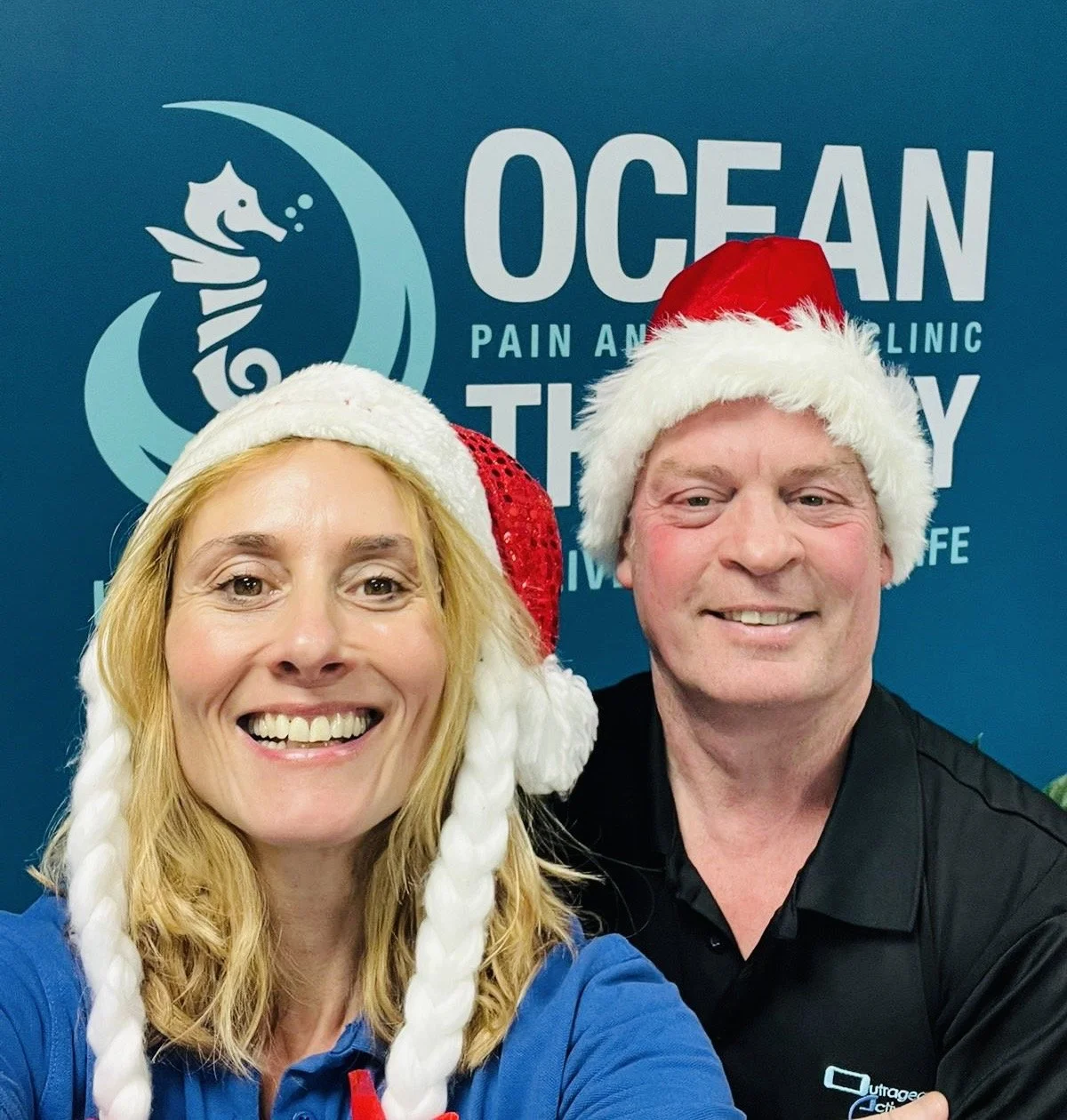
Now only goes to say have a fabulous happy healthy Christmas and we look forward to seeing you all in 2026…. Merry Christmas and thank you for all of your continued custom!
🌅 Stay Connected 🌅
Follow us on social media for monthly movement tips, clinic updates, and inspiration from our amazing Weymouth community.
📍 OceanTherapy Soft Tissue Injury Clinic, Weymouth, Dorset 📞 01305 831726
