

August 2026
Newsletter.
Welcome to our newsletter, with all our updates and some helpful resources for you. In this edition we talk about frozen shoulder and chronic pain.
Remember, we are here to help you and you can contact us anytime.
Welcome to our
august newsletter
Hello Ocean therapy friends
Welcome to our latest Ocean Therapy newsletter! 🌊☀️
What a summer we’re having here in Dorset! With the wall to wall sunshine and perfect summer conditions, it’s the perfect time to get outside, enjoy our beautiful countryside and coastline, and make the most of everything our wonderful surroundings have to offer. Just remember to look after yourselves in the heat — staying well hydrated, taking regular breaks and listening to your body are all important, especially when you’re active.
In this edition, we’re focusing on frozen shoulder, including an interesting case study from the clinic, as well as sharing some useful patient resources for managing chronic pain and helping you better understand and manage ongoing symptoms.
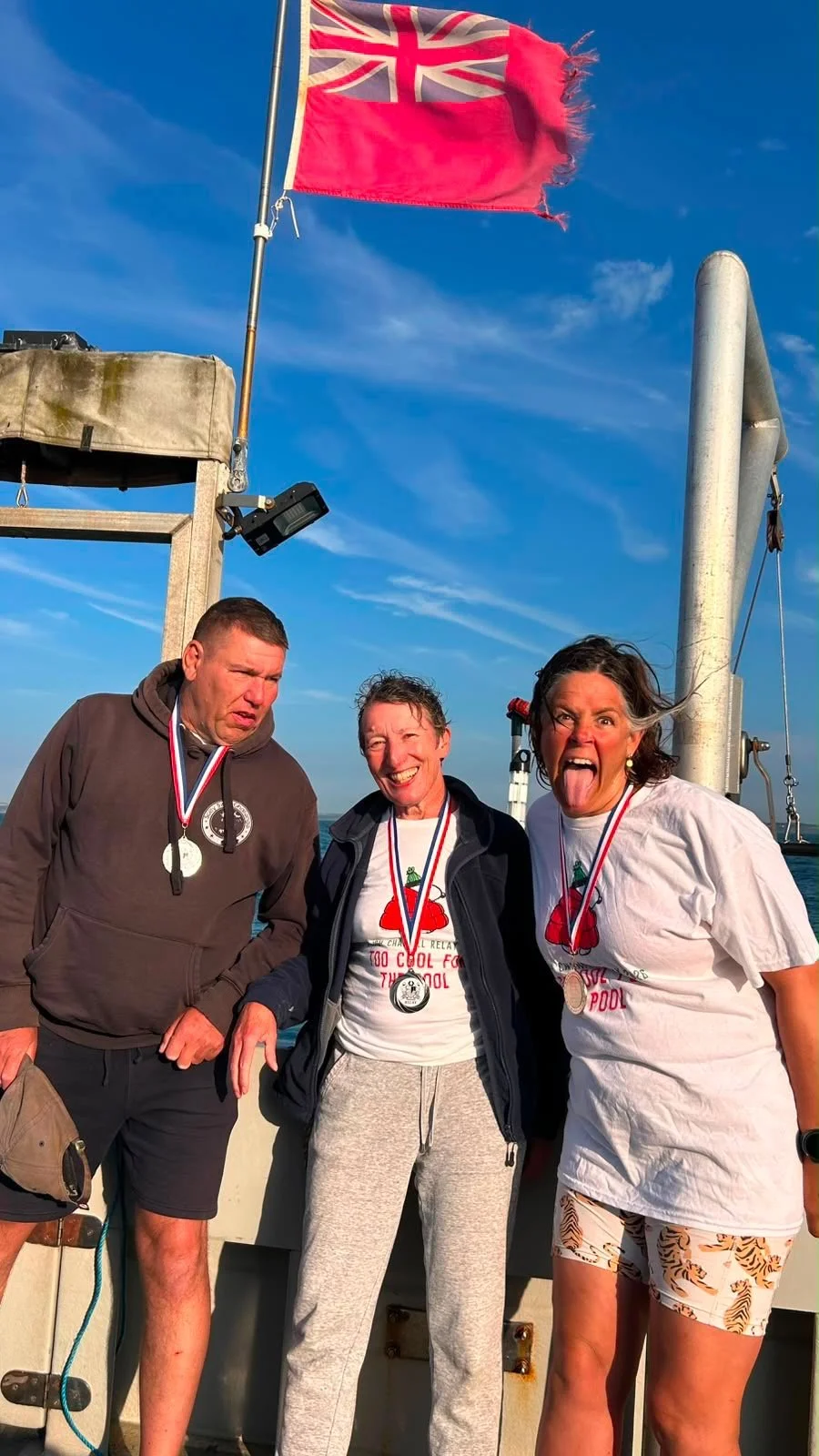
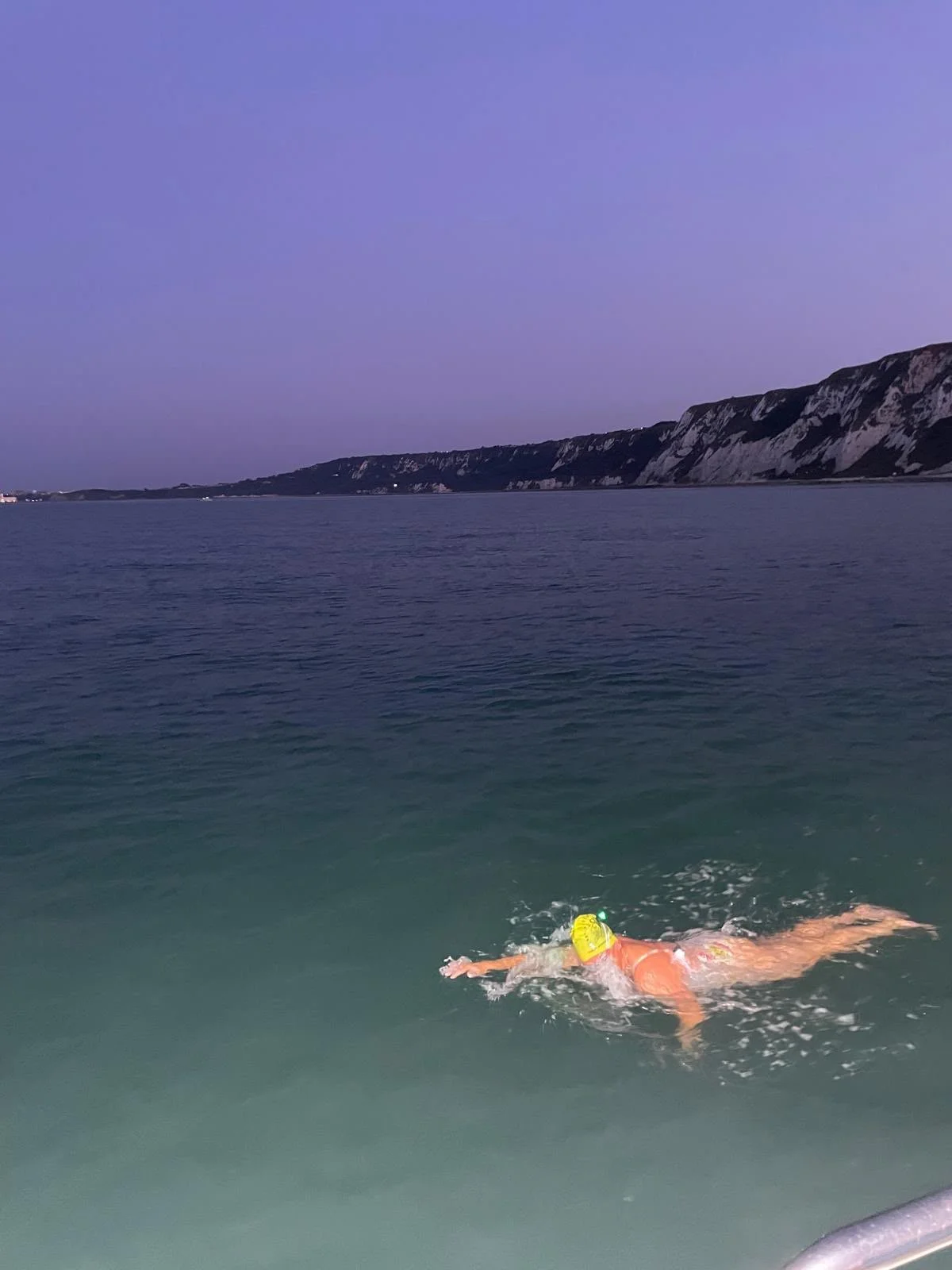
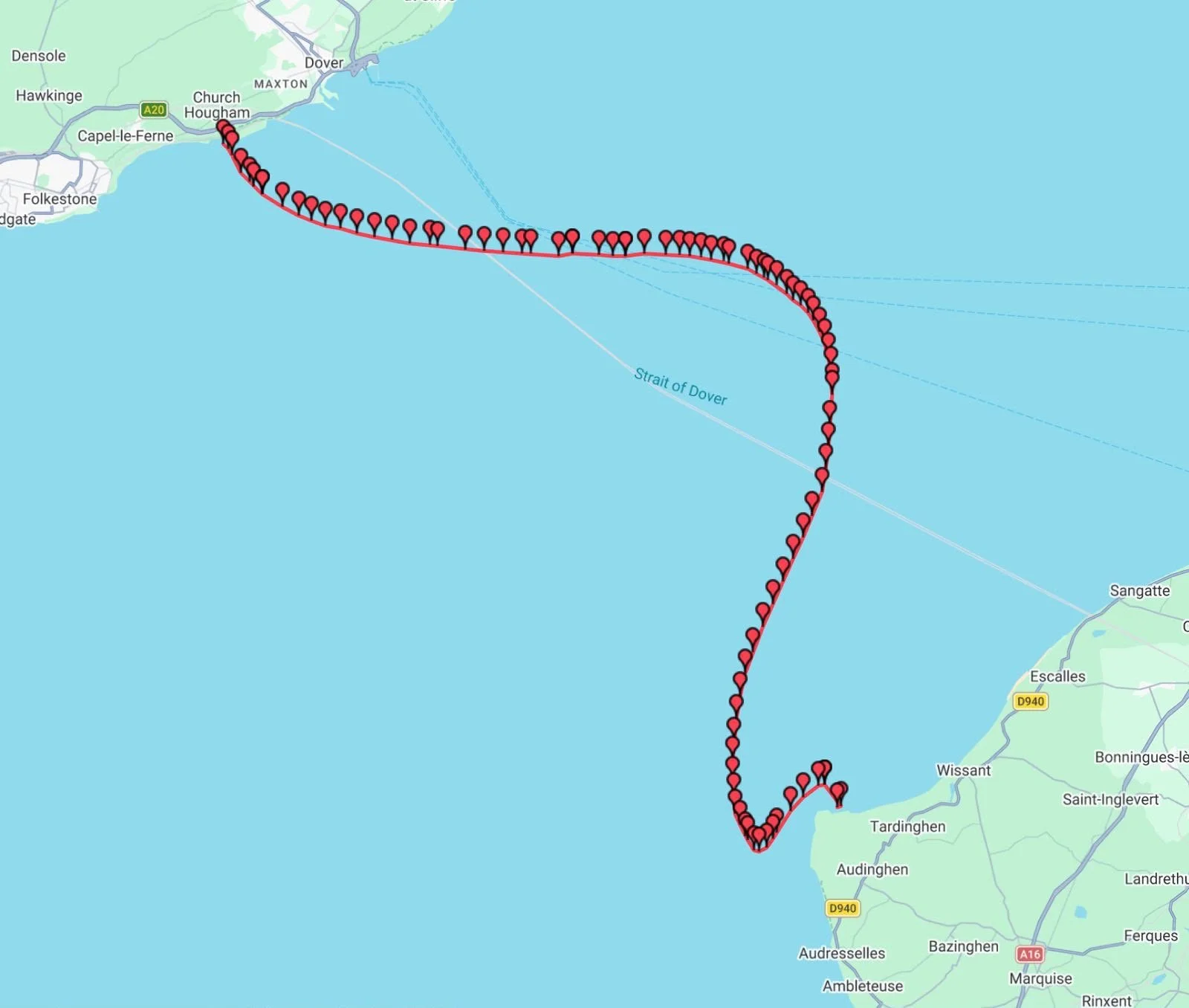
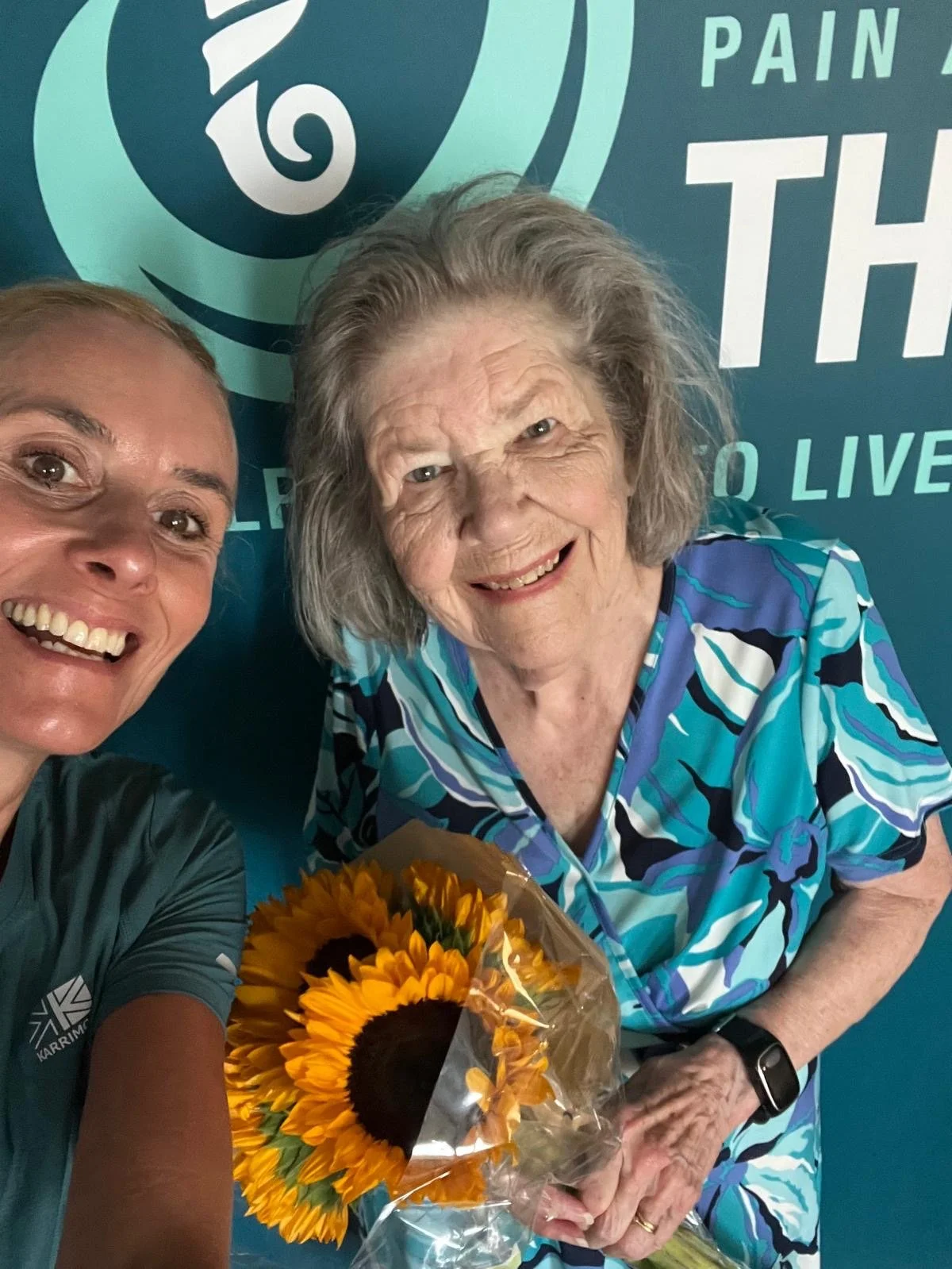
We’re also celebrating some of the fantastic people who make our clinic so special in our Client Gallery. From a client who recently took on the incredible challenge of swimming the English Channel as part of a relay team, to one of our oldest patients — a remarkable 91-year-old who continues to enjoy her regular sports massage — we’re reminded that there really is no age limit to staying active and looking after your body!
So grab a cool drink, take a moment to relax and enjoy this month’s edition. We hope you find it informative, inspiring and perhaps even a little motivating to get outside and enjoy the beautiful Dorset countryside we’re lucky enough to call home.
From all of us at Ocean Therapy, stay cool, stay hydrated and keep moving! 💙
Frozen Shoulder

Over the past year, frozen shoulder has become something very personal to me. Not only have I treated several clients with the condition, but my own wife has been going through it too.
Her symptoms began last September after completing a two-mile open water swim. It’s important to say that the swim did not cause her frozen shoulder. It just happened to be around the same time that she first noticed shoulder pain. Over the following weeks and months, that pain gradually became worse, her shoulder became stiffer, and she started losing more and more movement and the pain began intense unbearable at times.
Like many people with frozen shoulder, getting the correct diagnosis wasn’t straightforward. She was initially told it was something different, which is understandable because frozen shoulder can be difficult to diagnose in its early stages. Often, the symptoms overlap with other shoulder problems, and sometimes further investigations such as scans are needed to help confirm the diagnosis.
As a teacher, she couldn’t simply stop using her arm. Everyday tasks, work and even sleeping became difficult. Anyone who has had frozen shoulder will know that the night pain can be one of the hardest parts of the condition. Even recently while we were camping, she had to carefully support her shoulder with pillows just to make sleeping a little more comfortable.
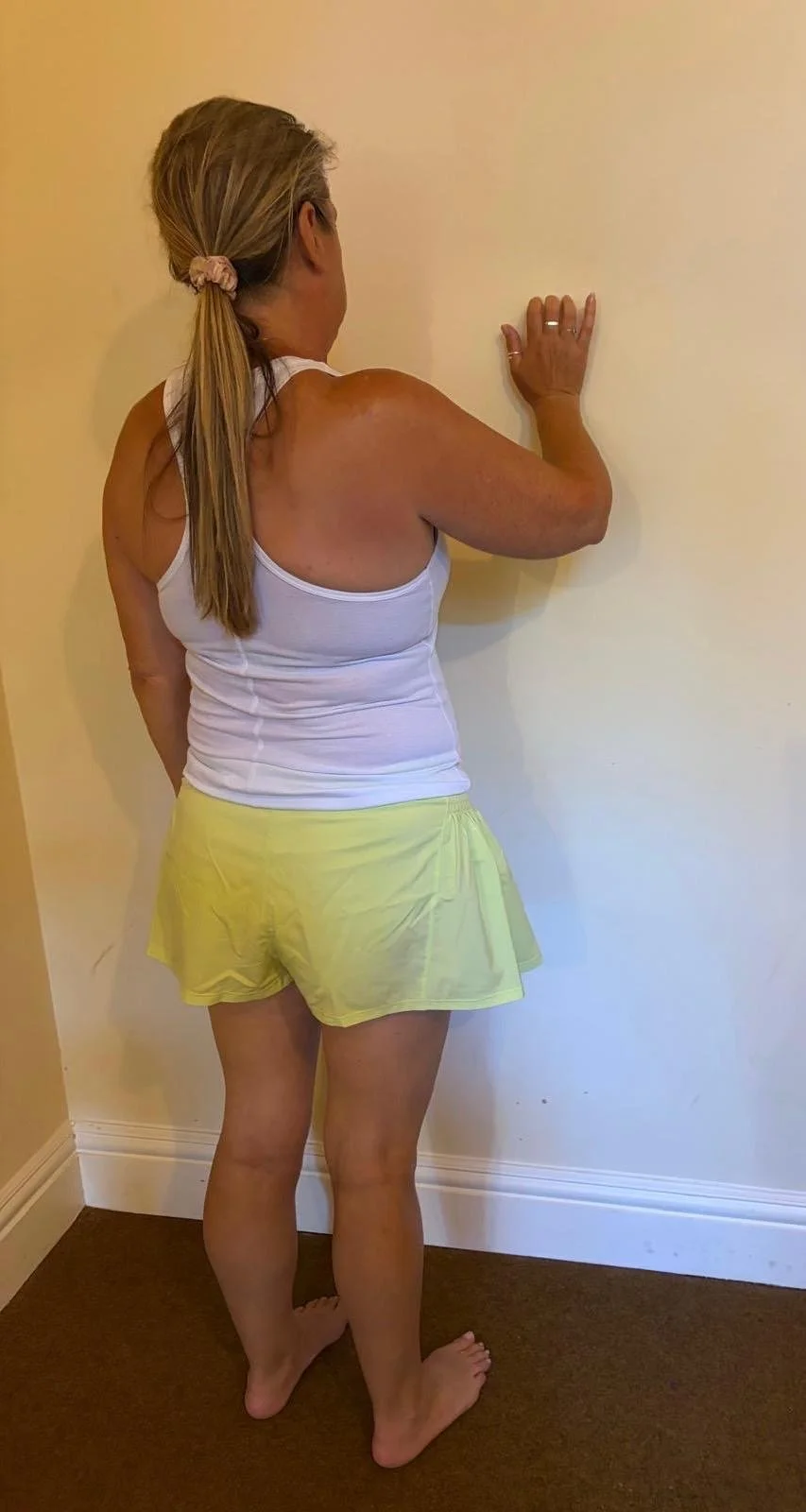
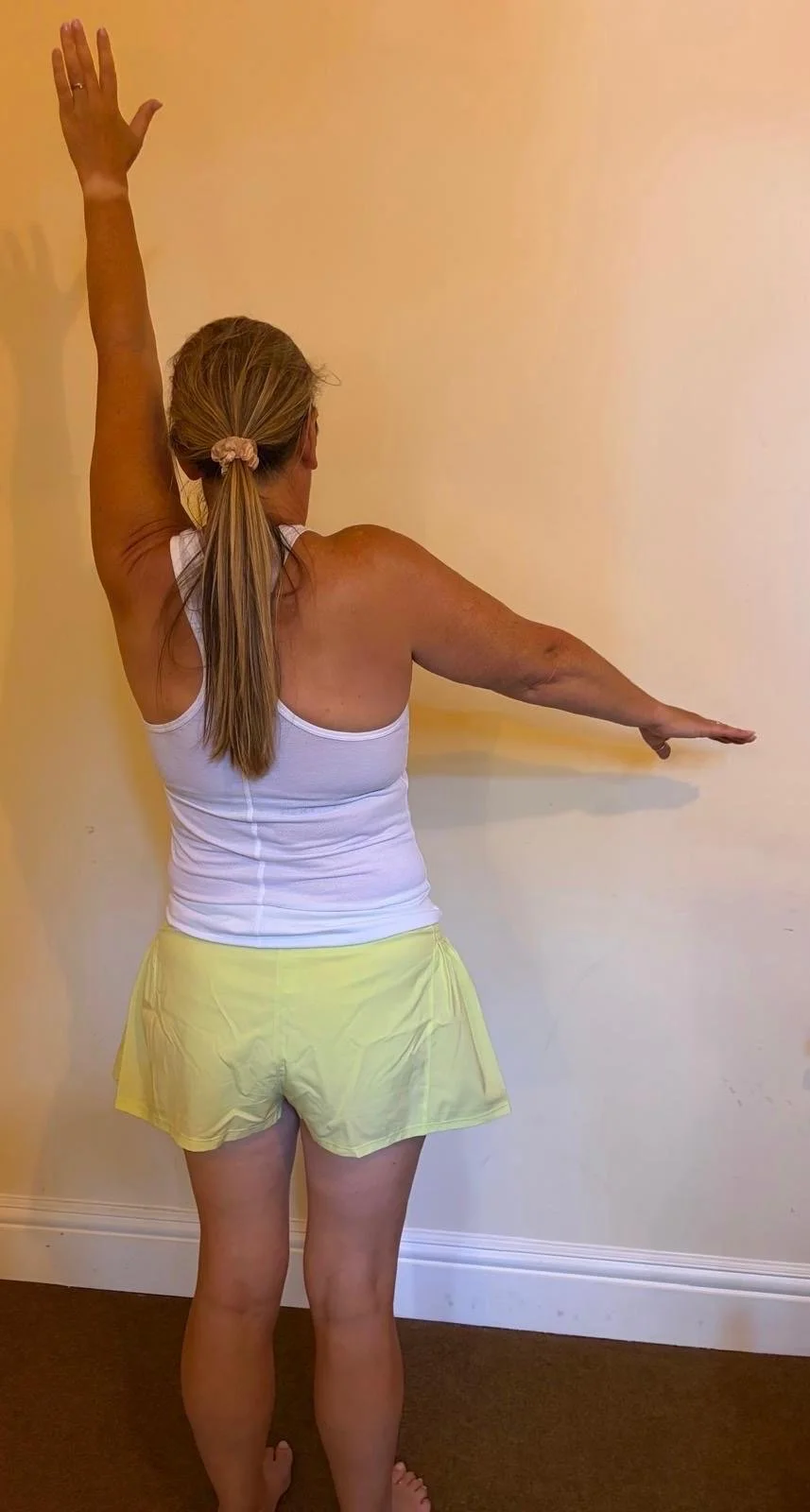
One thing we decided early on was that we weren’t going to let the shoulder become completely inactive. That doesn’t mean pushing through pain or forcing movement. Instead, we focused on keeping her moving within a comfortable range, using a simple pain guide of no more than 3 out of 10 during exercises.
Rather than concentrating only on the shoulder itself, we also worked on the surrounding areas. We spent time maintaining movement through her neck, shoulder blade (scapula), and mid-back (thoracic spine), while using gentle mobility exercises and soft tissue therapy to reduce unnecessary muscle tension. The aim wasn’t to “fix” the frozen shoulder overnight—it was to help her keep as much movement as possible while managing the condition.
Despite everything, she has continued going to the gym. She hasn’t been doing her normal training, but she’s adapted what she can do and stayed as active as possible. That has been an important part of her journey.
It may take another year or more to fully recover, but don’t give up.
My wife’s best friend also developed frozen shoulder about a year ago. Her experience has been different. She wasn’t able to continue exercising in the same way and has only recently started getting back into swimming after around twelve months. She received similar advice and exercises, but her recovery has followed its own path.
That’s one of the biggest lessons frozen shoulder teaches us:
There isn’t one exercise programme that works for everyone.
Every shoulder behaves differently. Some people respond well to certain exercises, and treatments while others need a different approach. Some people find cortisone injections helpful, while others, like my wife, notice very little improvement. Recovery isn’t a straight line, and it isn’t a race.
The goal is to keep moving where you can, avoid completely protecting the shoulder, and gradually build confidence in the movements that are comfortable. There will almost certainly be things you can’t do for a while—and that’s okay. Recovery often happens in small steps rather than giant leaps.
Frozen shoulder can take 12 to 36 months to run its course. It’s also more common in people between the ages of 40 and 60, particularly women, and is seen more frequently in people with diabetes. Hormonal changes during the menopause are also thought to increase the risk.
At Ocean Therapy, we understand how frustrating this condition can be because we’ve seen it first-hand. While we can’t make frozen shoulder disappear, we can help support you with hands-on soft tissue therapy, gentle movement, advice, education and a personalised exercise programme that is appropriate for your stage of recovery.
Sometimes, the most important thing isn’t finding the perfect treatment or exercise—it’s having someone guide you through the journey, adapting your programme as your shoulder changes and helping you stay moving safely and confidently.
Book an assessment with Boris at Ocean Therapy 📞 01305 831726
resources to download

Don’t forget! we are selling our gift vouchers in the reception, call in to reception on: 01305 831726 for more information.
As always if you require any further advice or have any questions relating to this or any other injury’s or conditions, we are always available for a no obligation chat just call our receptionists on : 01305 831726 to arrange.
Warmest wishes, Samantha & Boris
🌅 Stay Connected 🌅
Follow us on social media for monthly movement tips, clinic updates, and inspiration from our amazing Weymouth community.
📍 OceanTherapy Soft Tissue Injury Clinic, Weymouth, Dorset 📞 01305 831726

Disclaimer: This content is designed for information and education purposes only and is not intended as medical advice. Always consult with a qualified healthcare provider before beginning any exercise program, especially if you have existing medical conditions or concerns.